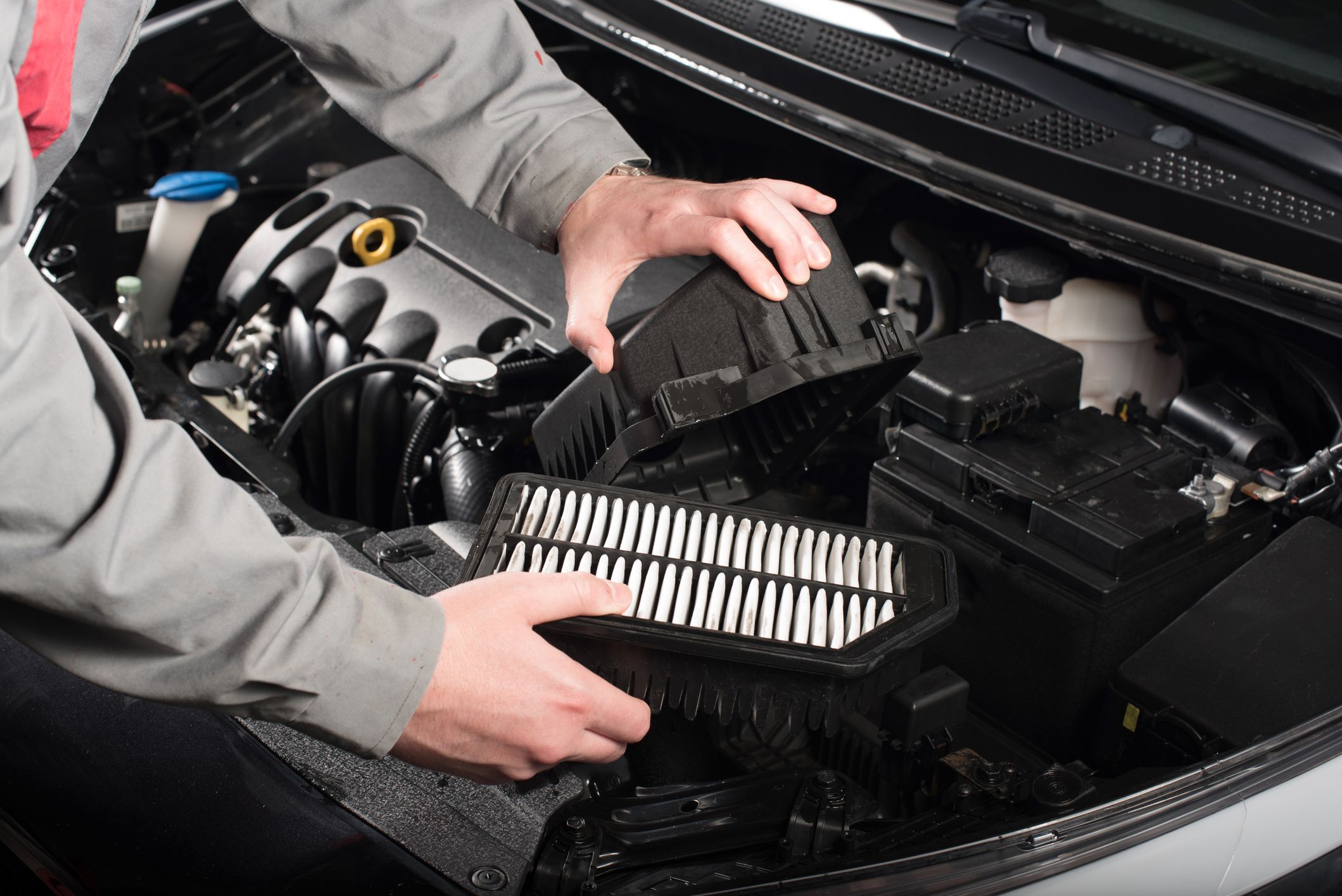
Air Filter Production Line accuracy, consistency, scalability, and long-term reliability define whether a production system can remain truly competitive. Automation is not a passing trend but the foundation for achieving stable quality, predictable output, and sustainable growth. By understanding the role of automation, buyers can make more informed decisions when investing in air filter production systems built to deliver long-term value and operational confidence.
Air Filter Production Line Automation as the Foundation of Manufacturing Consistency
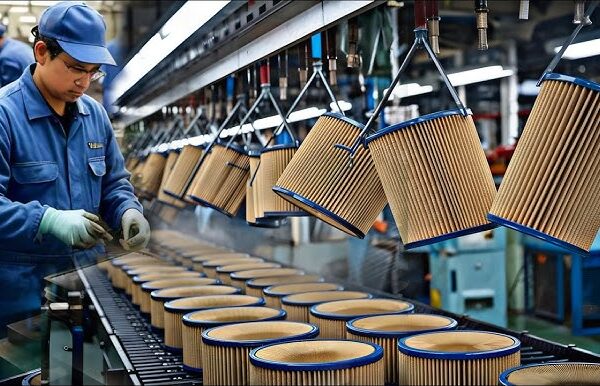
An Air Filter Processing System must deliver uniform products at scale, and consistency is impossible without automation. Manual operations introduce variability in material handling, pleating accuracy, bonding strength, and final assembly. Even skilled labor cannot maintain identical results across thousands of units. Process automation ensures that every stage of the Air Filter Processing System adheres to predefined parameters, reducing deviations that compromise filtration performance. Automated feeding, pleating, cutting, and assembly systems operate under controlled conditions, maintaining stable tension, spacing, and alignment throughout production. As a result, the Air Filter Production Line produces filters with consistent structure and predictable performance. For manufacturers serving quality-sensitive markets, automation is not optional—it is essential to maintaining credibility and meeting customer expectations.
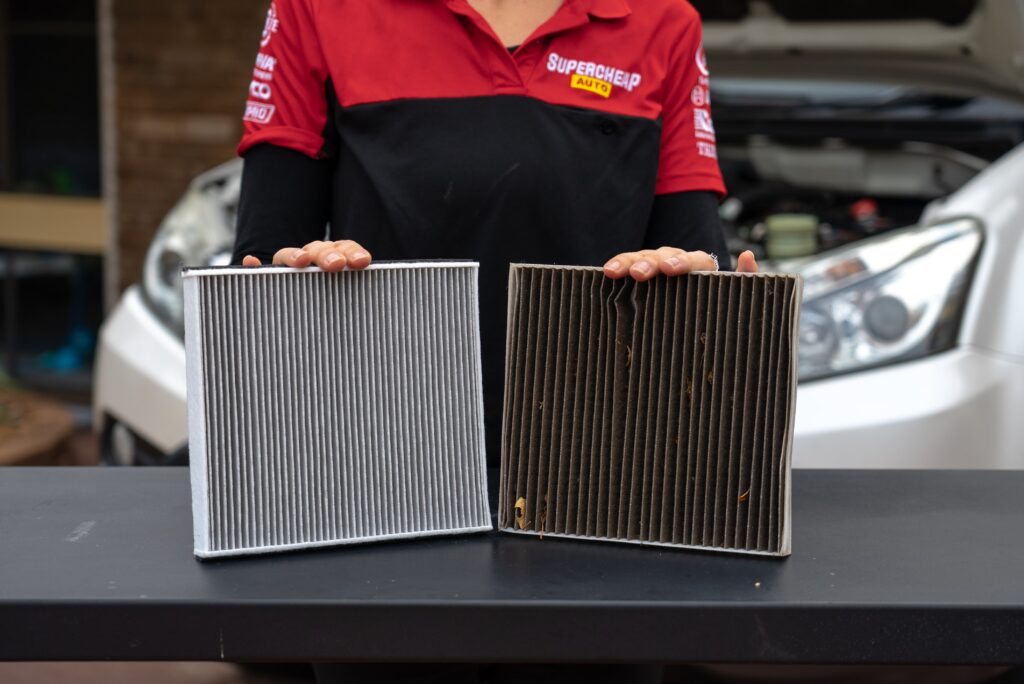
Air Filter Production Line Efficiency Gains Through Process Automation
One of the most immediate benefits of automation in an Air Filter Processing System is improved efficiency. Automated Air Filter Processing Systems eliminate unnecessary pauses between operations and synchronize each stage into a continuous workflow. This coordination reduces cycle time while increasing overall throughput without sacrificing quality. Automation also minimizes dependency on manual labor for repetitive tasks, allowing skilled personnel to focus on supervision, quality control, and system optimization. Over time, an automated Air Filter Processing System achieves higher output stability, lower scrap rates, and improved resource utilization. These efficiency gains translate directly into reduced production costs and faster return on investment, which are critical factors for buyers evaluating long-term manufacturing strategies.
Air Filter Production Line Quality Control Enabled by Automated Systems
Quality control is a primary concern for any manufacturer investing in an Air Filter Processing System. Automation enables real-time monitoring and repeatable inspection processes that manual methods cannot match. Sensors, vision systems, and programmable controls embedded within the Air Filter Processing System detect deviations in dimensions, bonding integrity, and assembly alignment before defects reach the final stage. By integrating quality checkpoints directly into the Air Filter Production Lines, manufacturers reduce the risk of batch-level failures and costly rework. Automated data collection also provides traceability, allowing manufacturers to analyze trends, identify process weaknesses, and continuously improve system performance. This level of control strengthens product reliability and builds long-term trust with downstream customers.
Air Filter Production Line Automation for Scalable Manufacturing Growth
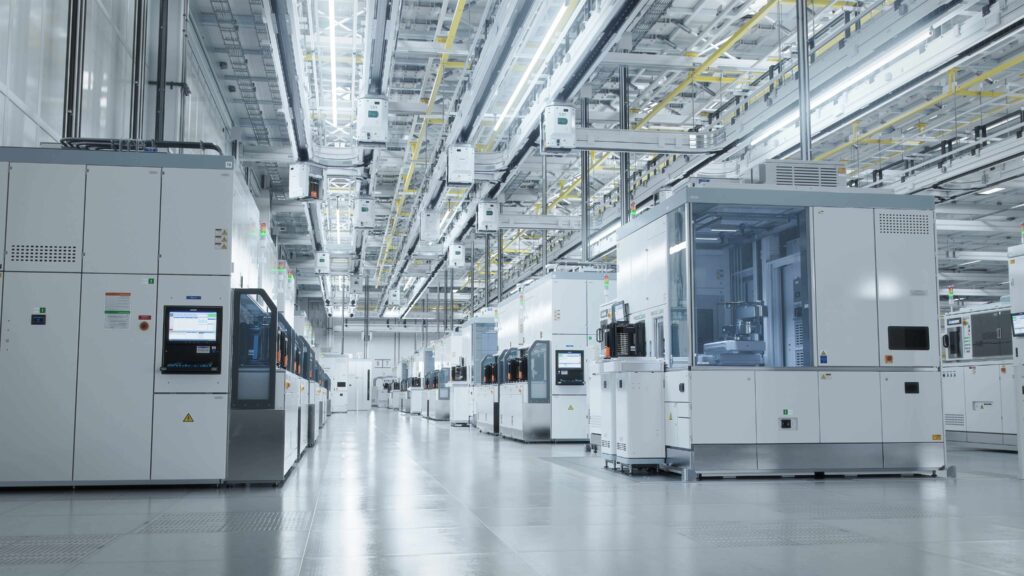
Scalability is a critical consideration when selecting an Air Filter Processing System. Market demand fluctuates, and production systems must adapt without major structural changes. Automation enables scalable expansion by allowing output adjustments through software configuration rather than physical restructuring.
An automated Air Filter Processing System can increase speed, add parallel stations, or integrate auxiliary modules with minimal disruption. This flexibility allows manufacturers to respond quickly to new orders, product variations, or capacity requirements. From an engineering standpoint, automation ensures that scaling production does not introduce instability or compromise quality, protecting both operational efficiency and brand reputation.
Enhancing Reliability and Minimizing Downtime Through Automation
Reliability is a long-term performance metric that directly impacts profitability. Manual-intensive production lines are more prone to human error, inconsistent operation, and unexpected downtime. In contrast, an automated Air Filter Processing System operates under predefined logic and controlled parameters, ensuring stable performance over extended production cycles. Modern Air Filter Processing Systems incorporate predictive maintenance features, such as condition monitoring and fault alerts. These systems identify wear, misalignment, or performance degradation before failures occur. By reducing unplanned downtime, automation protects production schedules and ensures consistent delivery timelines—an essential factor for manufacturers supplying large-volume or contract-based orders.
Cost Optimization Through Intelligent Automation in Manufacturing
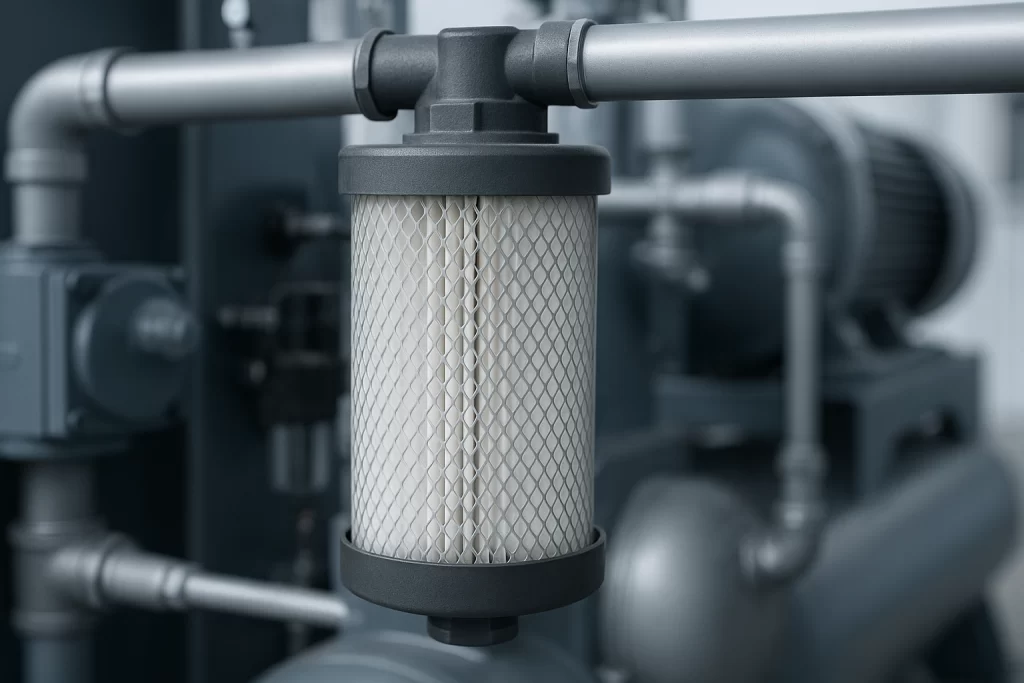
While automation requires upfront investment, its long-term cost benefits are substantial. An automated Air Filter Production Line reduces labor dependency, material waste, and defect-related losses. Precise material handling minimizes overuse of filter media, adhesives, and frames, directly improving yield rates. Additionally, automation lowers training costs and reduces the impact of workforce turnover. Once programmed, an Air Filter Processing System maintains operational consistency regardless of shifts or staffing changes. Over the lifecycle of the equipment, these cost optimizations significantly outweigh initial capital expenditures, making automation a strategic financial decision rather than a technical upgrade.
Air Filter Production Line Automation as a Competitive Manufacturing Advantage
In competitive filtration markets, differentiation depends on reliability, responsiveness, and consistent quality. An automated Air Filter Production Line provides manufacturers with the operational discipline needed to meet these demands. Automation allows faster order fulfillment, stable quality assurance, and the ability to adapt to evolving product requirements. From an engineering and manufacturing perspective, automation future-proofs the Air Filter Processing System. It enables seamless integration with digital management platforms, data-driven optimization, and evolving production standards. For buyers evaluating Air Filter Production Line solutions, automation is not simply a feature—it is the key enabler of sustainable, competitive manufacturing.