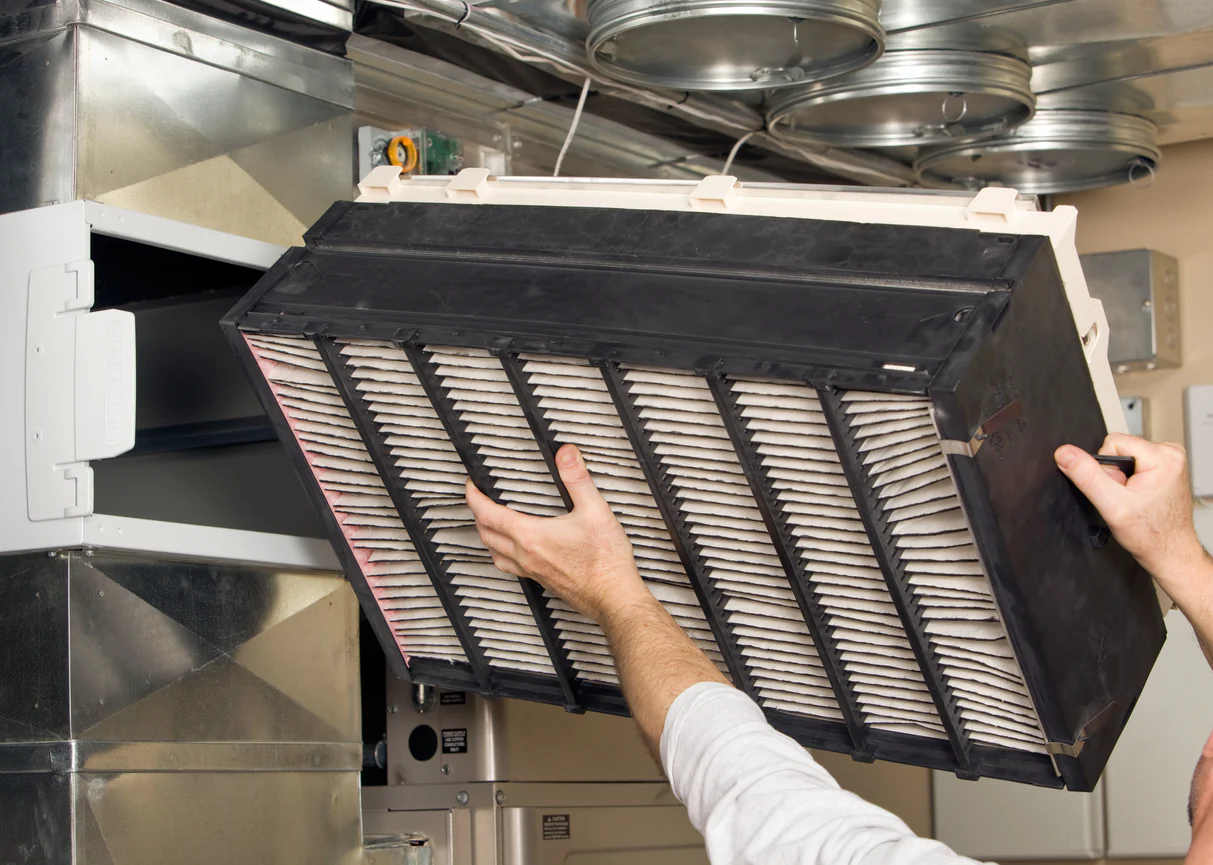
In high-throughput filtration environments, performance is not defined by a single component. It is the result of countless design decisions working together under pressure—literally and figuratively. Among these decisions, the integrity of the seal between the filter media and its frame often determines whether a filtration system operates efficiently or struggles with leakage, contamination, and premature failure. As a manufacturer dedicated to the design, development, and production of the edge-seal filter sealing system, we have seen firsthand how precise sealing technology can unlock higher throughput, improved reliability, and lower total operating costs.
An edge-seal filter sealing system plays a foundational role in modern filtration architectures, particularly where high airflow, rapid processing, or continuous operation is required. At its core, the system ensures an airtight and consistent seal between the filter element and the housing, preventing bypass leakage that would otherwise compromise filtration efficiency. In high-throughput filtration, even minor seal imperfections can scale into significant performance losses, leading to reduced product quality or increased downstream contamination.
The effectiveness of an depends heavily on its interaction with the filter edge sealing mechanism. This mechanism must maintain uniform compression across the entire filter perimeter while accommodating variations in pressure, temperature, and mechanical stress. Unlike traditional gasket-based solutions, optimised edge-seal designs provide repeatable sealing performance, even under frequent filter changes. This consistency is essential for operations where downtime must be minimised, and throughput targets remain non-negotiable.
From an engineering perspective, the value of a well-designed system lies in its predictability. When the seal performs as expected, system designers can push airflow rates higher without risking leakage. That confidence enables manufacturers to design filtration systems that meet stricter regulatory requirements while still achieving high productivity.
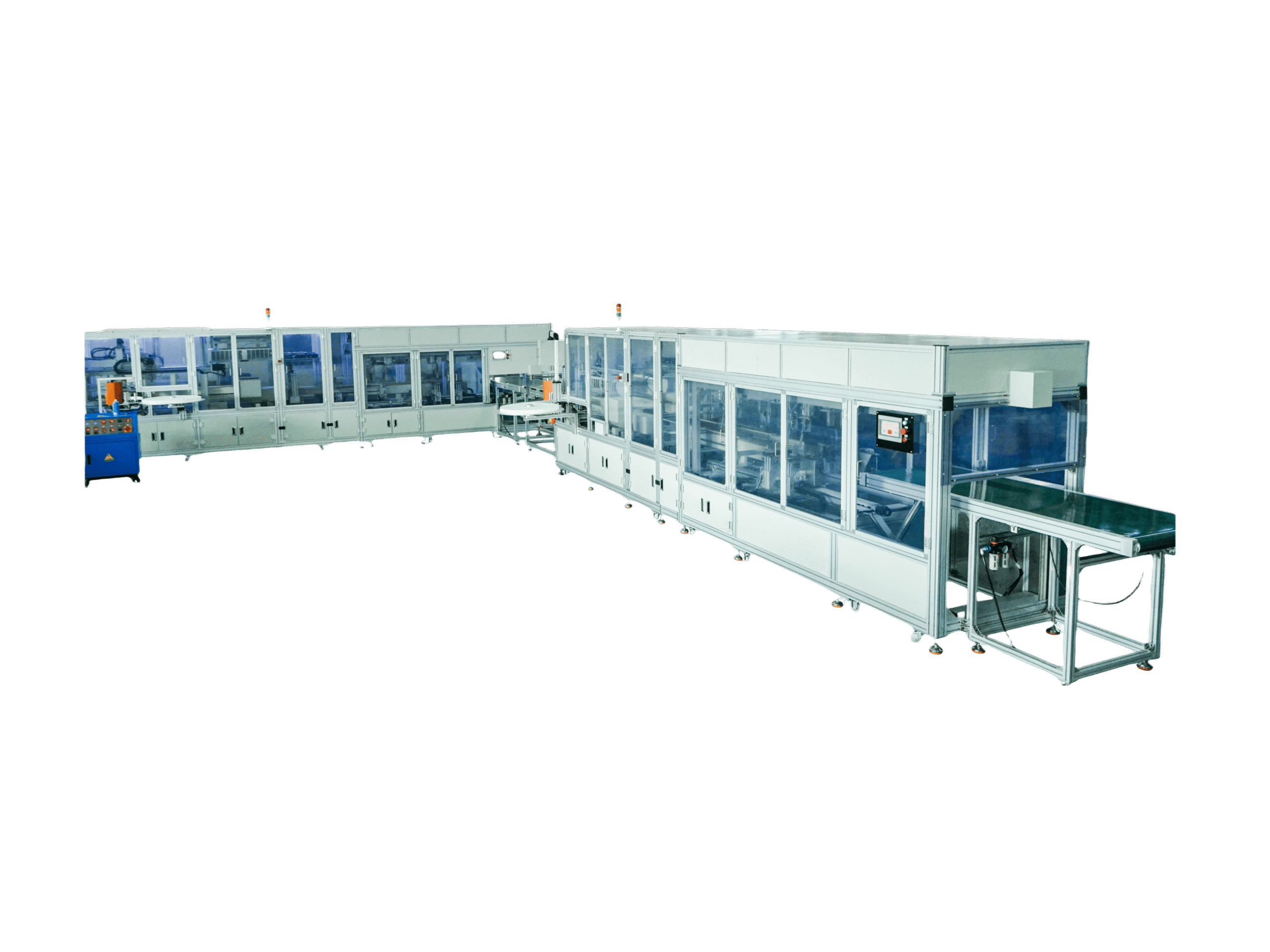
Throughput and reliability are closely linked, and a system’s design directly affects both. A poorly engineered sealing interface can introduce uneven pressure distribution, leading to localised wear of the filter edge sealing mechanism. Over time, this wear leads to seal degradation, increased leakage risk, and unplanned maintenance interruptions.
Optimised edge-seal filter sealing system designs focus on uniform load distribution. This is achieved through carefully profiled sealing channels, resilient sealing materials, and precise dimensional control during manufacturing. When the seal compresses evenly, airflow remains stable across the entire filter surface, allowing the system to operate closer to its designed capacity without sacrificing efficiency.
Reliability also depends on how well the handles repeated installation and removal cycles. In high-throughput filtration environments, filters are often replaced on tight schedules. A robust sealing system maintains its sealing performance even after multiple change-outs, reducing the likelihood of operator error and ensuring that the filter edge sealing mechanism remains intact throughout its service life.
By aligning design choices with real-world operating conditions, manufacturers can create edge-seal filter sealing systems that support sustained high throughput while minimising maintenance-related disruptions.
Material selection is one of the most critical factors in optimising an. The sealing material must balance flexibility, durability, and chemical resistance while maintaining consistent performance over time. In high-throughput filtration, materials are often exposed to fluctuating pressures, temperature variations, and potentially aggressive media. A well-chosen sealing compound enhances the performance of the filter edge sealing mechanism by providing reliable resistance to compression set. This ensures that the seal returns to its original shape after compression, maintaining contact pressure between the filter and housing. Materials with poor compression recovery may initially seal well but gradually lose effectiveness, especially in continuous-use environments.
Equally important is the compatibility between the sealing material and the filter frame. An optimised edge-seal filter sealing system considers how these components interact under load. Material mismatches can lead to micro-gaps, friction-related wear, or long-term deformation. By testing materials under simulated operating conditions, manufacturers can verify that the sealing system will perform consistently at high throughput. From a customer perspective, the right material choice translates into longer service intervals, reduced replacement costs, and greater confidence in system performance. These benefits become especially valuable in large-scale filtration installations where minor improvements can yield significant operational gains.
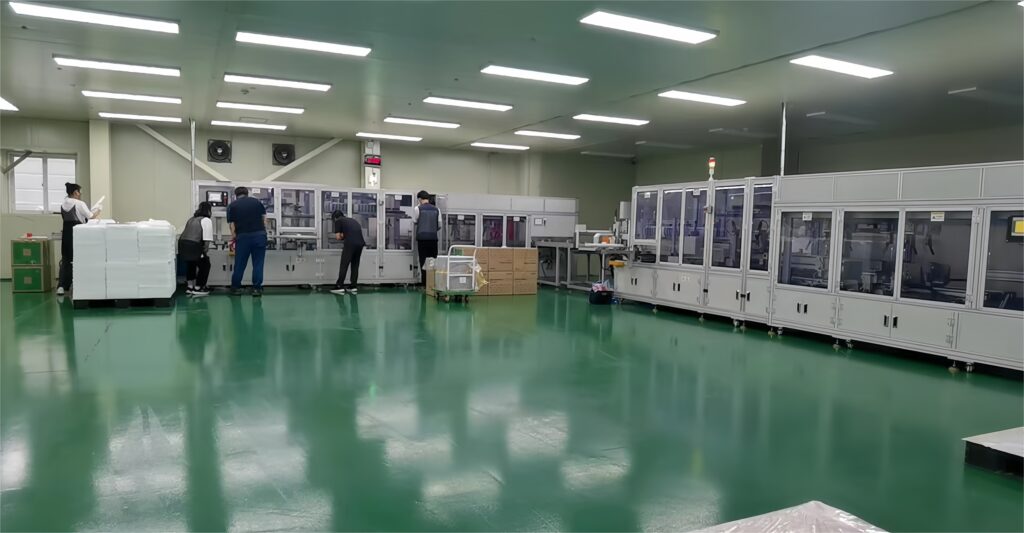
Features such as self-centring profiles and defined compression stops help ensure that the filter edge sealing mechanism engages correctly every time. These design elements reduce reliance on operator judgment and minimise variability between installations.
Installation accuracy also affects airflow dynamics. Misalignment can create uneven sealing pressure, leading to localised leakage paths that bypass the filter media. Over time, this not only reduces filtration efficiency but also places additional stress on the sealing components. By simplifying the installation process and reinforcing correct positioning, manufacturers can protect the long-term integrity of the sealing system.
For customers evaluating an edge-seal filter sealing system installation, ease of use should be viewed as a performance factor rather than a convenience feature. Consistent installation supports stable throughput and predictable filtration outcomes.
Seal integrity is not a static condition; it must be maintained throughout the filtration system’s operating life. In high-throughput applications, continuous airflow and pressure fluctuations place constant demands on the edge-seal filter sealing system. Maintaining integrity requires a design that anticipates these stresses rather than reacting to them.
A key aspect of maintaining seal integrity lies in how the filter edge sealing mechanism responds to dynamic loads. Optimised designs allow for controlled movement and deformation without breaking the seal. This flexibility prevents crack formation and material fatigue, which are standard failure modes in rigid sealing systems.
Routine inspection and maintenance also play a role. That provides visible confirmation of proper seating, making it easier for operators to detect issues early. Clear visual cues and tactile feedback during installation help ensure that the seal is fully engaged before the system returns to operation. By combining resilient design with practical maintenance considerations, manufacturers can deliver sealing systems that maintain performance even as operating demands increase.
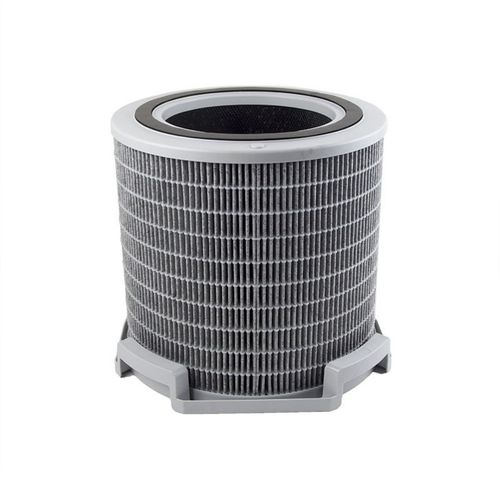
As filtration demands grow, scalability becomes a primary concern. An edge-seal filter sealing system optimised for high throughput must support system expansion without introducing new risks. Whether scaling involves higher airflow rates, larger filter arrays, or more frequent change-outs, the sealing system must adapt without compromising performance.
Scalable edge-seal filter sealing system designs rely on standardised interfaces and predictable sealing behaviour. When each filter module seals consistently, system designers can replicate proven configurations across larger installations. This modular approach reduces engineering complexity and shortens deployment timelines.
The filter edge sealing mechanism also plays a critical role in scalability. A mechanism that performs reliably across different filter sizes and housing geometries allows manufacturers to offer flexible solutions without redesigning the entire sealing architecture. This adaptability is particularly valuable for customers operating multiple filtration lines with varying capacity requirements.
By investing in scalable sealing solutions, customers position themselves to meet future throughput demands while maintaining control over filtration quality.
Long-Term Value of a Well-Engineered Edge-Seal Filter Sealing System
Optimising an edge-seal filter sealing system is not solely about achieving higher throughput today; it is about delivering long-term value across the system’s lifecycle. A well-engineered sealing system reduces energy losses from leakage, extends filter service life, and reduces the frequency of maintenance interventions.
From a cost perspective, these benefits compound over time. Improved sealing efficiency means fans and blowers operate closer to their optimal range, reducing energy consumption. Consistent performance from the filter edge sealing mechanism minimises premature filter replacement, helping customers manage operating budgets more effectively. Perhaps most importantly, a reliable edge-seal filter sealing system builds trust. Customers can operate their filtration systems with confidence, knowing that performance metrics will remain stable even as throughput increases. As a manufacturer committed to precision engineering and continuous improvement, we view this trust as the ultimate measure of success.