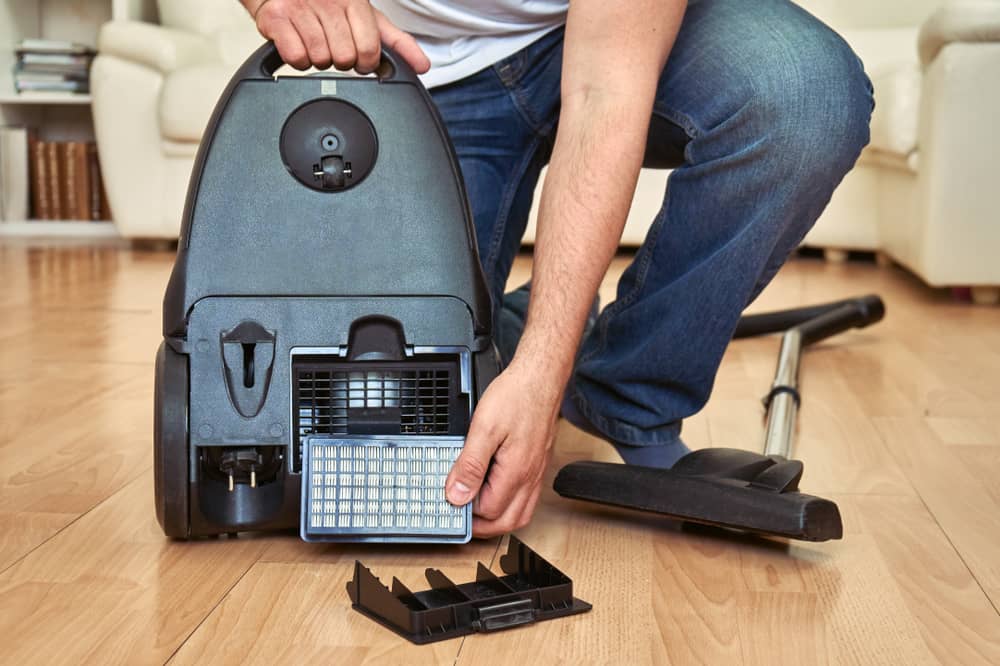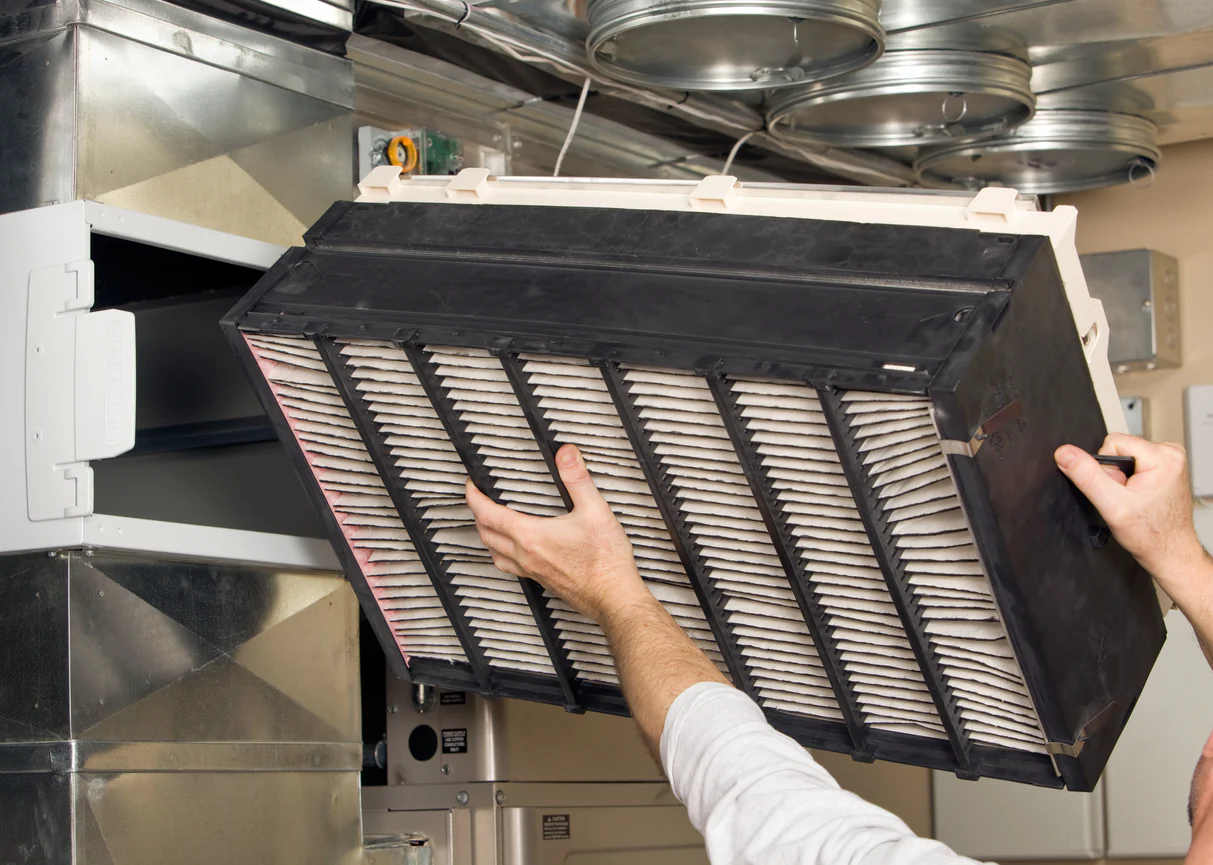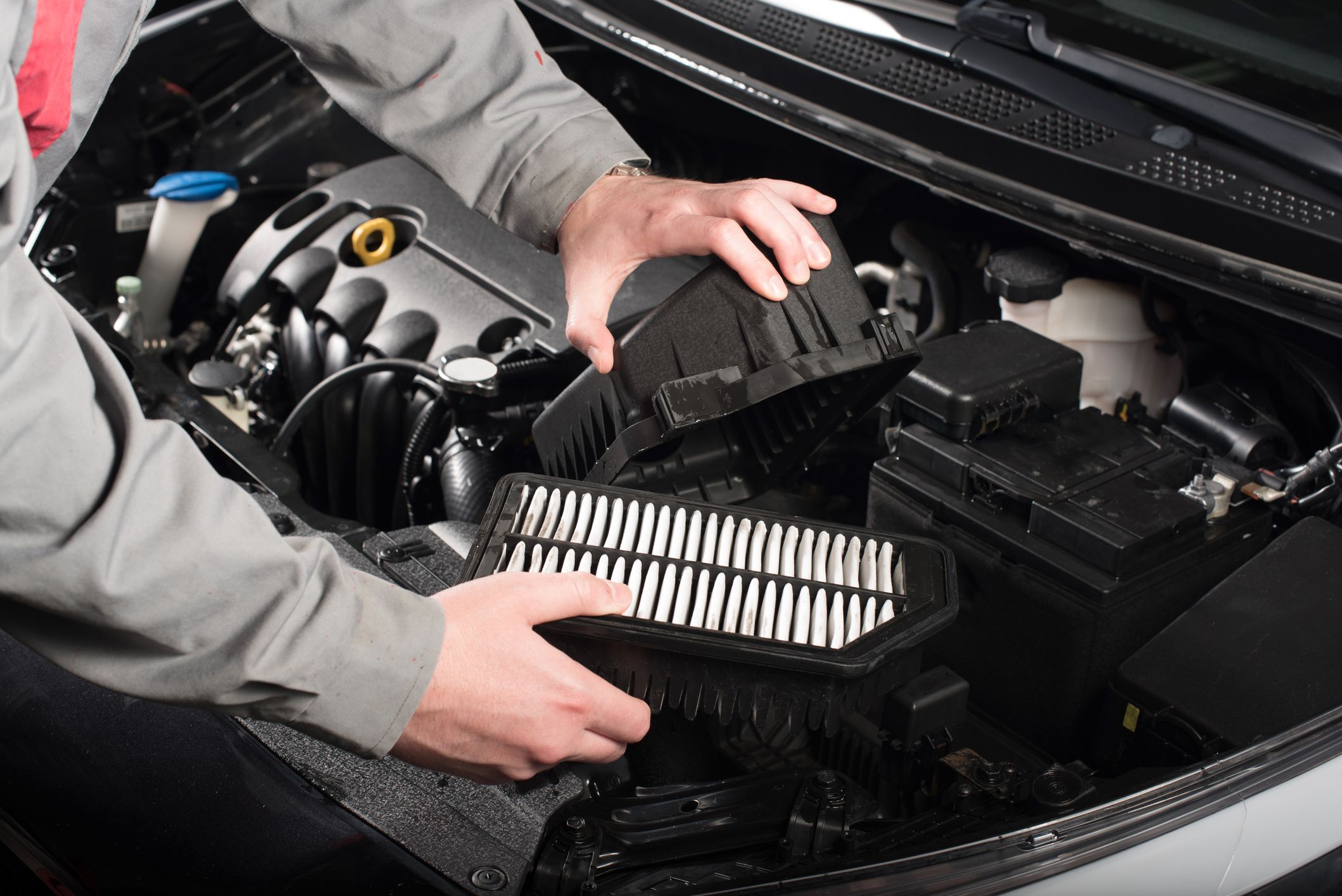
Choosing the right machine starts with a clear definition of your actual production needs. Every factory has different expectations for volume, quality, and material handling. Some manufacturers focus on high-volume HVAC filters. Others serve niche markets, such as medical cleanrooms or industrial dust removal. Each segment requires different pleat characteristics and performance levels. Before evaluating machine options, you should list your filter types, expected monthly output, and quality standards. This simple step prevents costly mismatches later. A well-defined plan helps you match your goals with the correct Air Filter Paper Pleating Machine configuration.
Matching Machine Speed With Expected Capacity
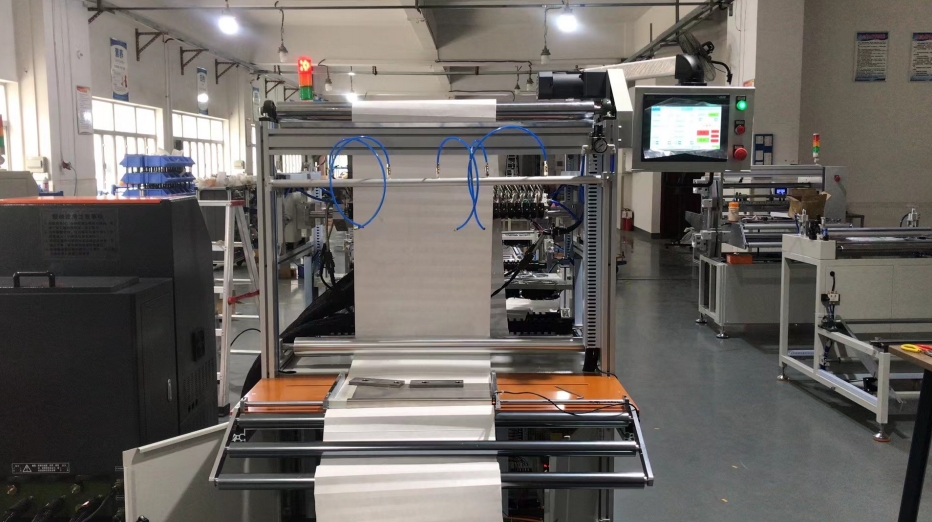
Production speed matters. It affects daily output, labor planning, and inventory management. Automated pleating systems often run at 20 to 35 meters per minute, depending on the media and pleat height. Semi-automatic equipment runs slower but may suit smaller facilities. You should consider both present demand and projected growth. If you expect seasonal peaks, choose a model that maintains stable tension and pleat accuracy at high speeds. Speed alone is not enough. The machine must stay consistent during long runs. Stable performance ensures filters meet airflow and pressure drop specifications every time.
Ensuring Media Compatibility for All Product Types
Filter media selection has expanded in recent years. Paper, synthetic fiber, composite layers, and HEPA-grade glass fiber each behave differently during folding and heating. A reliable machine must handle all media you use today and expect to use in the future. Please confirm that tension control, heating zones, and folding mechanisms match your materials. HEPA media needs gentle pressure and precise temperature control. Synthetic layers need stable tension to avoid stretching. Advanced Air Filter Paper Pleating Machines support multiple media types with easy adjustment. This flexibility protects your investment as your product line evolves.
Evaluating Pleat Geometry Accuracy and Stability
Pleat geometry impacts airflow, filter efficiency, and long-term performance. Inconsistent pleats cause uneven loading and early pressure rise. You should examine the machine’s ability to maintain stable pleat height, pitch, and compression. Servo-controlled folding arms or knives offer the best accuracy. In high-quality machines, variation often stays below ±0.2 mm. This precision matters for cleanroom, medical, and industrial environments where consistency is critical. Stable pleat formation also reduces downstream defects in curing, bonding, and trimming. When your pleats are precise, your entire production line runs smoother and faster.
Considering Automation Level and Workflow Integration
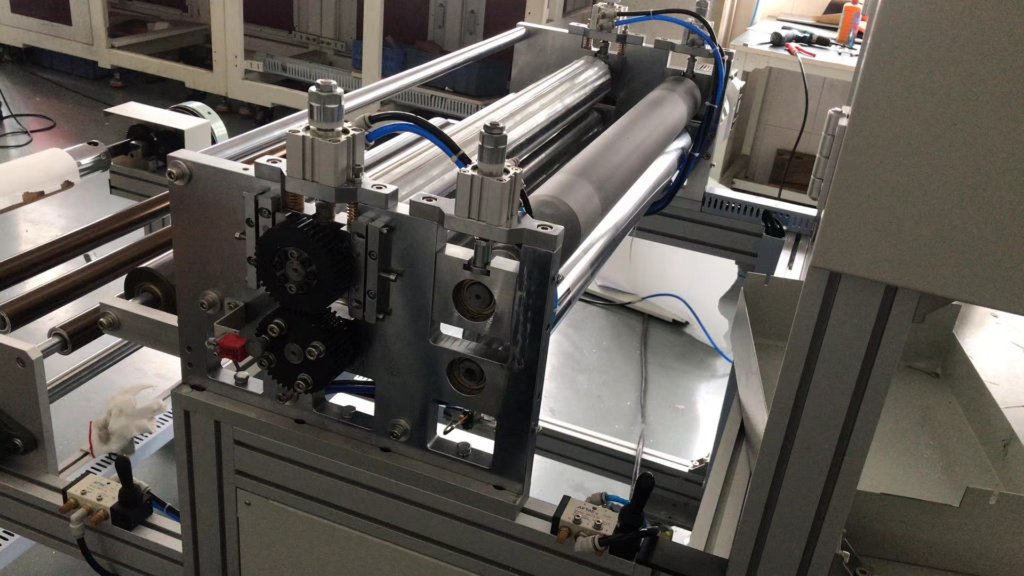
Automation changes filter manufacturing. It reduces operator workload, improves repeatability, and simplifies production changeovers. You should consider how the pleating machine will integrate with upstream and downstream modules. Many manufacturers choose full automation so pleating connects directly to curing, trimming, and stacking equipment. A PLC-controlled system with recipe storage reduces setup time. Operators switch filter types with only a few inputs. This speed helps factories deliver diverse product ranges without slowing production. When your workflow grows, automated modules expand easily. Choosing a flexible system keeps your production line scalable.
Examining Machine Durability and Maintenance Requirements
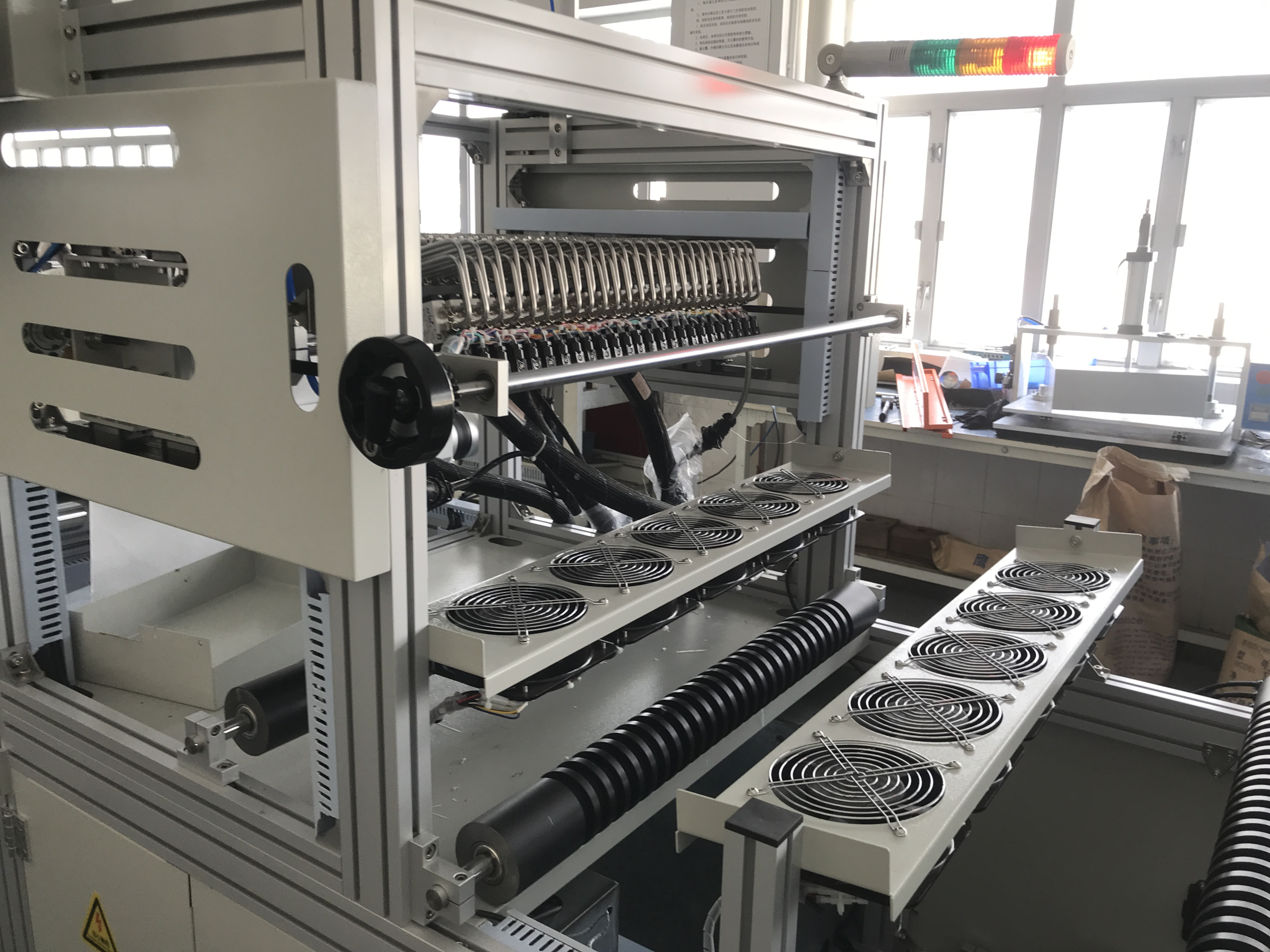
A pleating machine is a long-term investment. Durability and maintenance affect total cost more than purchase price. You should examine build quality, frame strength, and component reliability. Servo motors reduce mechanical wear and minimize unplanned downtime. Predictive maintenance features help operators identify issues early. Spare part availability also matters. Manufacturers with strong global networks offer faster support and reduce production interruptions. A reliable Air Filter Paper Pleating Machine should run continuous shifts without major adjustments. High uptime improves productivity and supports stable delivery commitments.
Reviewing Cost Efficiency and Long-Term Value
Total cost of ownership is more important than initial cost. Your evaluation should include energy use, labor needs, scrap reduction, and output per shift. Automated pleating lines reduce waste by maintaining consistent tension, temperature, and folding pressure. This precision matters when handling costly HEPA or composite media. Scrap reduction alone often saves thousands of dollars per month in large plants. Labor savings also increase long-term value. Automated machines need fewer operators and simplify training. You should calculate how each model supports your growth plans and production budget. The right system pays for itself through stable, efficient operation.
The Value of the Right Air Filter Paper Pleating Machine
Selecting the right Air Filter Paper Pleating Machine requires a complete understanding of your production goals, material needs, and long-term plans. A well-matched system increases output, reduces waste, and protects product quality. It also supports expansion as your market grows. When your machine aligns with your workflow and product standards, your entire operation becomes more efficient and more competitive.