High-dust-load environments are common in industries such as cement, metalworking, and power generation. In these settings, air often carries a high concentration of delicate particulate matter, which can quickly clog filters and damage equipment. Managing such conditions requires systems that continuously and efficiently handle high dust concentrations. Modern filtration manufacturing equipment is built precisely for that purpose. It maintains stable airflow, reduces pressure drop, and ensures clean operation even under extreme dust levels. By combining durable materials, automated cleaning systems, and intelligent monitoring, these solutions help factories maintain stable production and comply with environmental standards.
Advanced Filter Media for Heavy Dust Loads
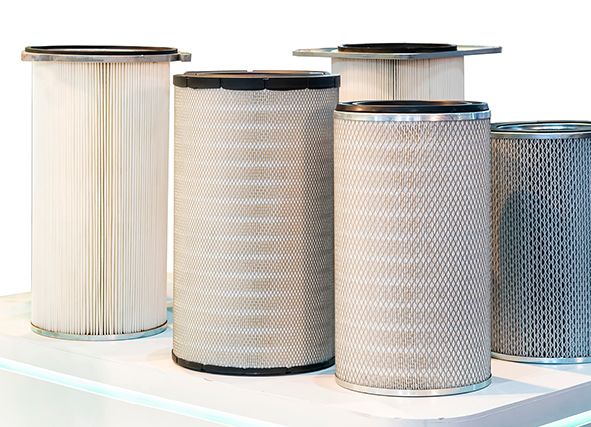
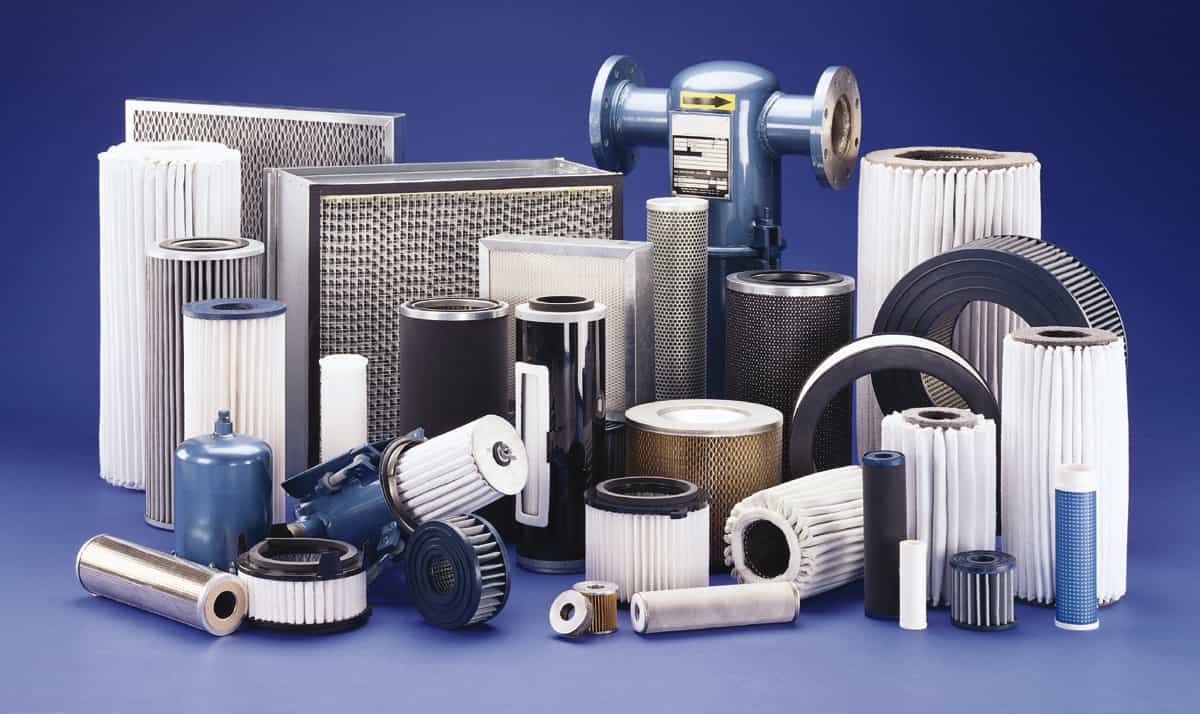
The backbone of any filtration system is the filter media. In high-dust-load environments, conventional materials like cotton or paper can’t handle the stress. Instead, modern filtration manufacturing equipment uses advanced media such as PTFE membranes, polyester felt, or fiberglass composites. These materials resist clogging and can endure high temperatures and chemical exposure.
PTFE-coated fabrics, for instance, provide surface filtration—dust particles form a thin “cake” on the surface rather than embedding into the fibers. This cake can then be easily removed during cleaning, keeping airflow constant and pressure drop low. Such efficiency improvements can extend filter life by 40–60%.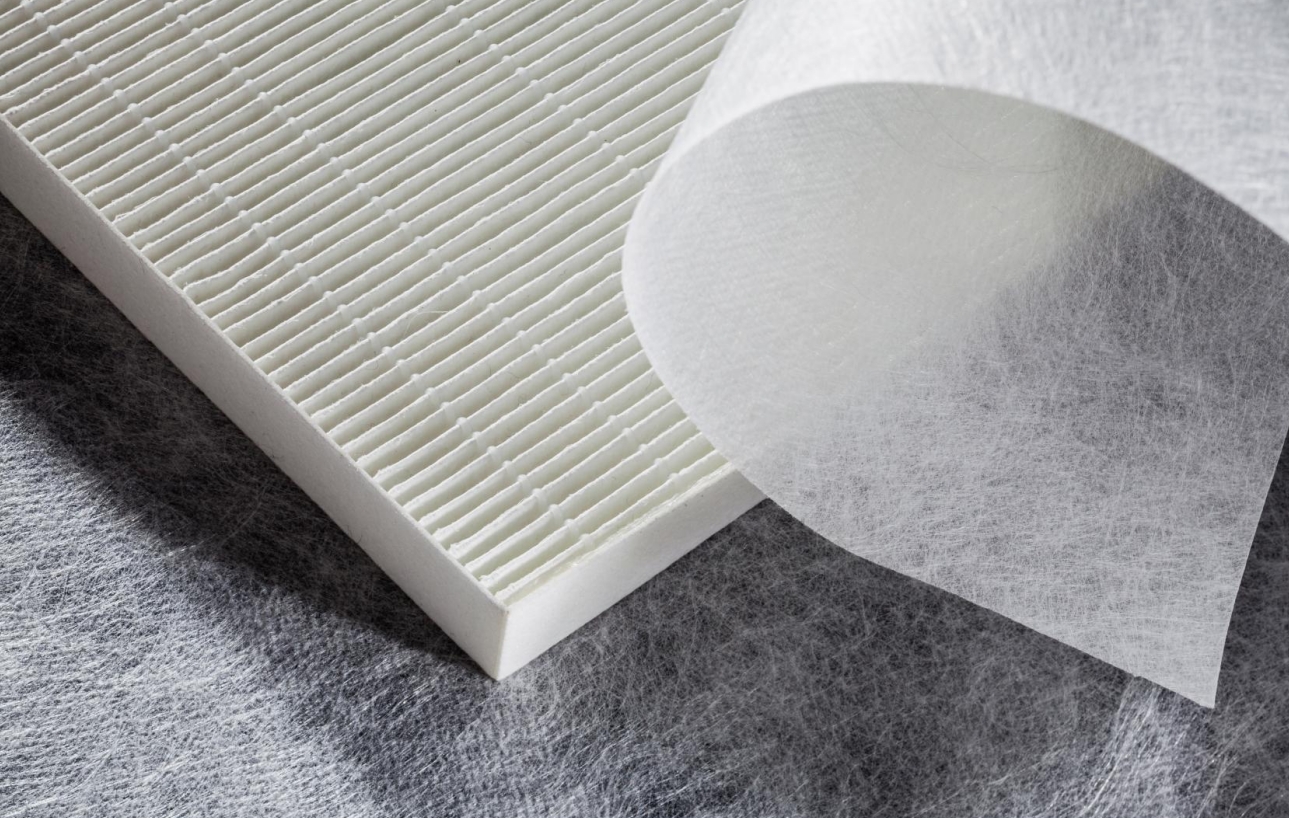
Optimized Airflow and Pressure Balance
Handling large volumes of dust means maintaining consistent airflow and stable pressure. Uneven airflow leads to uneven dust distribution, which shortens filter life. Filtration manufacturing equipments now integrates advanced aerodynamic designs that guide air smoothly through the system.
Using Computational Fluid Dynamics (CFD) simulations, engineers can predict how air and dust behave within the housing. As a result, systems are designed with uniform air velocity, balanced duct geometry, and minimal turbulence. This optimization not only reduces energy consumption but also improves dust capture efficiency.
Automatic Cleaning Systems for Continuous Operation
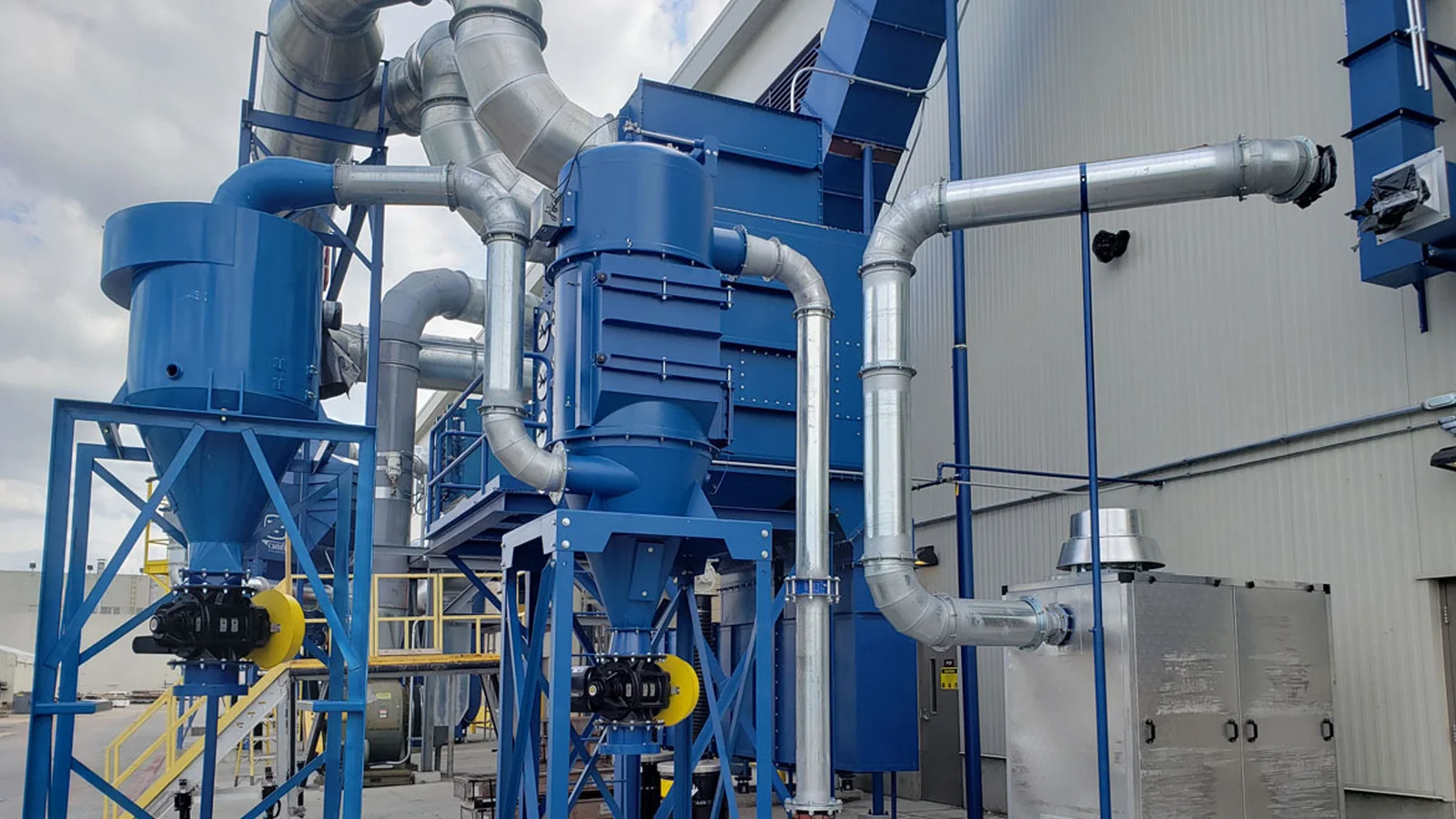
When the filter surface becomes coated with dust, cleaning becomes essential. Stopping production every few hours to clean filters is not practical. Therefore, automatic pulse-jet or reverse-air cleaning systems are used. These systems use compressed air bursts or reverse airflow to dislodge dust from the filter surface while the equipment stays online.
Pulse-jet cleaning is particularly effective in heavy-dust conditions. The system delivers short, high-pressure air pulses that shake off accumulated dust, keeping the pressure drop stable. This allows 24/7 operation even in environments with extremely high particle concentrations.
Durable Construction and Smart Monitoring
Durability is a must. Filtration manufacturing equipment in harsh environments often faces high abrasion, heat, and moisture. Stainless steel housings, reinforced seals, and anti-corrosive coatings are standard features. In addition, modern systems include smart sensors that continuously track pressure, temperature, and particle levels.
These sensors feed data into PLC-based controllers that automatically adjust cleaning intervals and airflow rates. Real-time monitoring ensures the filter operates at peak efficiency and alerts operators before any issue becomes critical. This significantly reduces downtime and maintenance costs.
Energy Efficiency in Dust-Intensive Operations
Energy use is a significant cost in high-dust-load facilities. Fans and compressors running continuously can consume vast amounts of power. To counter this, many modern filtration systems use variable-frequency drives (VFDs) that adjust fan speed based on real-time pressure data.
By dynamically optimizing airflow, plants can save up to 25% on annual energy costs. Additionally, well-maintained filter media reduce resistance, further lowering energy consumption. These improvements help manufacturers meet environmental regulations while maintaining profitability.

Case Study: Cement Plant Filtration Upgrade
A real-world example comes from a cement plant in Texas. The facility replaced its outdated dust collectors with modern filtration manufacturing equipment featuring PTFE filter bags and automated pulse cleaning. After the upgrade, dust emissions dropped by 85%, and the average pressure drop decreased by 30%.
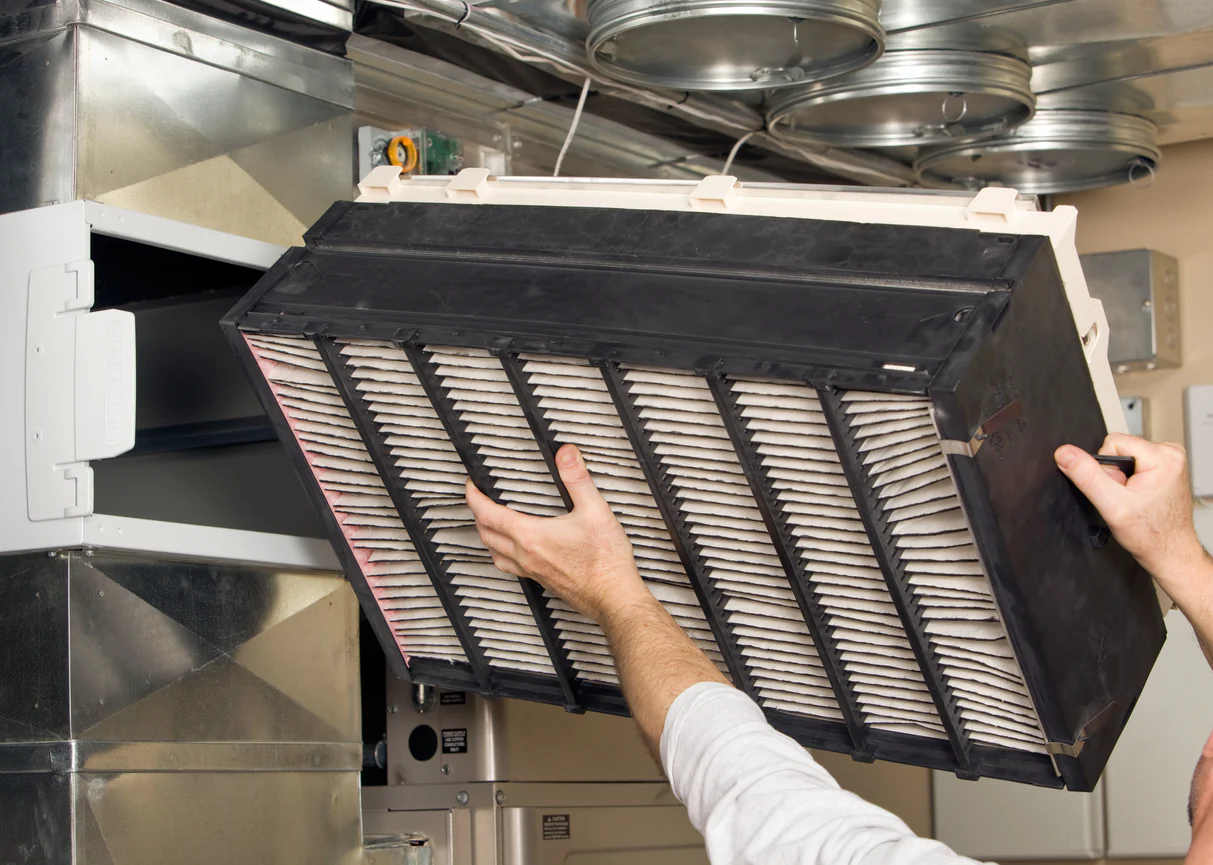
Maintenance intervals also extended from weekly to quarterly checks. This transition not only improved compliance with OSHA air quality standards but also boosted overall plant efficiency. The case highlights how proper filtration design transforms both environmental performance and operational reliability.
The Future of Filtration Manufacturing Equipment
As industries push toward sustainability and automation, filtration manufacturing equipment will continue evolving. Future systems will integrate AI-driven predictive maintenance, nanofiber filter media, and energy recovery modules. These innovations will further improve dust handling, reduce waste, and optimize performance under heavy load conditions. In high-dust-load environments, success depends on engineering precision, innovative design, and durable components. The combination of advanced materials, automated cleaning, and intelligent control ensures that modern filtration manufacturing equipment doesn’t just survive harsh conditions—it thrives in them.