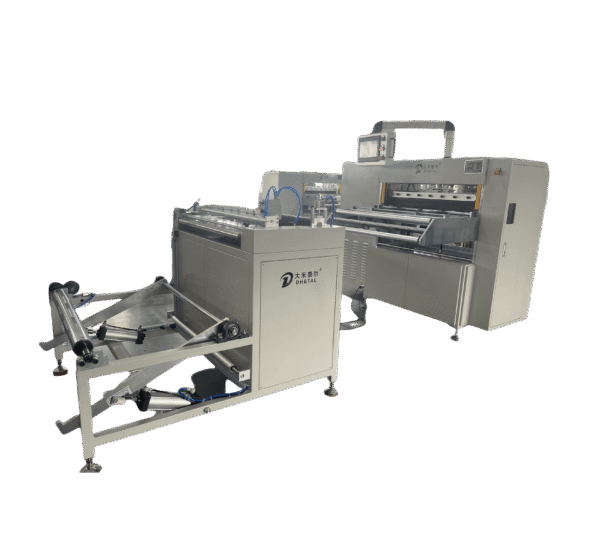
Precision and quality are essential for success. Adjustable-depth pleating machine are transforming fabric processing, offering significant advantages over traditional methods. These machines allow manufacturers to adjust the pleat depth with ease, improving fabric quality and streamlining production.
The need for flexibility, speed, and high-quality output increasingly drives textile production. Adjustable-depth pleating machines address these needs by enabling manufacturers to customize pleat depth for a wide range of fabrics. Traditional pleating methods require manual labor and time-consuming adjustments. In contrast, adjustable pleating systems enable quick, on-the-fly modifications that ensure precision.
The flexibility of these machines allows them to process delicate fabrics like silk and robust materials like cotton or denim, all without compromising the final product’s quality. The adjustable pleating system provides manufacturers with real-time control over pleat depth and spacing, ensuring that each pleat aligns perfectly with the desired design. This is especially beneficial for high-end fashion, where pleating depth significantly affects the texture and overall appearance of garments.

Improved Production Efficiency with Adjustable-depth Pleating Machine
In any manufacturing process, time is money. Traditional pleating methods are labor-intensive, requiring multiple steps to manually adjust pleat depth and spacing. This results in slower production speeds and potential delays. Adjustable-depth pleating machines overcome these challenges by automating the pleating process, reducing the need for manual intervention.
The adjustable pleating system enables quick adjustments, making it easier to switch between fabric types or pleat designs without stopping the production line. Manufacturers can achieve high production rates without sacrificing quality. With fewer setup times and reduced human error, the adjustable-depth pleating machine ensures that textile fabrication remains efficient and cost-effective.
Additionally, the precise automation ensures consistency across large batches, allowing manufacturers to maintain high production standards without the risk of variations. The ability to adjust pleat depth and other parameters in real time provides manufacturers with the flexibility to respond quickly to changing production needs, thereby improving overall operational efficiency.
Precision and Consistency in Pleating
Precision is a crucial element of any pleating process, especially when working with fabrics that require fine detailing. Adjustable-depth pleating machines ensure that pleats are formed consistently, regardless of fabric type or thickness. The automated adjustments provided by the adjustable pleating system guarantee that each pleat is uniform in size and evenly spaced, resulting in a flawless finish.
In industries like fashion and automotive textiles, the accuracy of pleats can make or break a product. A minor mistake in pleat depth can result in a poor finish or affect the fabric’s functionality. With adjustable-depth pleating machines, these risks are minimized, providing manufacturers with reliable results every time. The consistency and accuracy that these machines offer are unmatched by traditional pleating methods, where inconsistencies are more common.
By ensuring precise pleats, these machines help manufacturers deliver high-quality fabrics that meet strict design specifications. Whether for intricate garments or large-scale upholstery, the consistency of the pleats enhances both the aesthetic and functional qualities of the textile.

Versatility Across Fabric Types
One of the greatest advantages of adjustable-depth pleating machines is their ability to handle a wide variety of fabrics. From lightweight fabrics like chiffon to heavier materials like velvet and denim, these machines are equipped to adjust pleat depth to suit the fabric’s thickness and texture. This versatility makes them ideal for a wide range of textile applications.
For example, when pleating lightweight materials, finer pleats are often required to maintain a delicate appearance. On the other hand, heavy-duty fabrics may need deeper pleats for structural purposes. The adjustable pleating system enables manufacturers to make these adjustments quickly, ensuring the fabric is pleated to its specific needs. This flexibility eliminates the need for multiple machines for different fabric types, simplifying production and saving time.
In addition to fabric types, adjustable pleating machines can handle a wide range of pleat designs. Whether you need classic knife pleats, accordion pleats, or more complex designs, the machine can accommodate these variations, ensuring a consistent pleating process regardless of the pattern.
Reducing Material Waste and Improving Sustainability
As sustainability becomes increasingly important in manufacturing, reducing material waste is a top priority. Traditional pleating methods often result in fabric waste due to errors in pleating depth, misalignment, or machine downtime. Adjustable-depth pleating machines help solve this problem by offering precision and reducing human error.
The adjustable pleating system ensures each pleat is formed accurately, minimizing the risk of misalignment. By optimizing fabric use, manufacturers can ensure that every inch of material is utilized effectively. Additionally, the ability to adjust pleat depth allows manufacturers to work with a wider range of fabrics without wasting valuable materials.
This reduction in material waste not only benefits the bottom line but also supports more sustainable manufacturing practices. As manufacturers continue to embrace eco-friendly practices, adjustable-depth pleating machines offer a solution that helps reduce environmental impact while improving efficiency.

Cost Savings and Return on Investment
Though adjustable-depth pleating machines may require a larger initial investment than traditional pleating equipment, the long-term benefits make them an excellent choice for manufacturers. The primary cost savings come from increased production efficiency and reduced labor costs. These machines automate much of the pleating process, reducing the need for manual labor and the risk of human error.
Moreover, these machines can operate at higher production speeds, reducing downtime between runs and enabling manufacturers to process more fabric in less time. The consistency and precision offered by adjustable pleating systems also minimize the likelihood of rework, further saving on costs. Over time, these benefits lead to a higher return on investment, making adjustable-depth pleating machines a valuable asset in any manufacturing environment.
With reduced waste, faster production, and fewer mistakes, overall production costs decrease, making these machines a smart investment in the long run. As demand for high-quality, custom fabrics grows, the need for efficient, cost-effective pleating solutions like these will only increase.
Future Trends and Innovations in Adjustable-depth Pleating Machines
The future of adjustable-depth pleating machines looks promising, with continued innovations poised to enhance their capabilities further. One of the biggest trends is the integration of smart technologies. Adjustable pleating systems may soon feature sensors that automatically adjust settings based on fabric type, thickness, or design. These smart systems will further enhance the precision of pleats while reducing the need for manual input.
Additionally, manufacturers are exploring the potential of AI to optimize pleating processes. Machine learning algorithms could analyze fabric characteristics and adjust the pleating process for optimal results. This would enable manufacturers to produce custom pleats more efficiently, meeting the growing demand for personalized textile designs.
As these innovations continue, adjustable-depth pleating machines will become even more versatile and precise. Future developments will likely focus on enhancing automation, improving energy efficiency, and reducing environmental impact, ensuring that these machines remain at the forefront of textile fabrication.