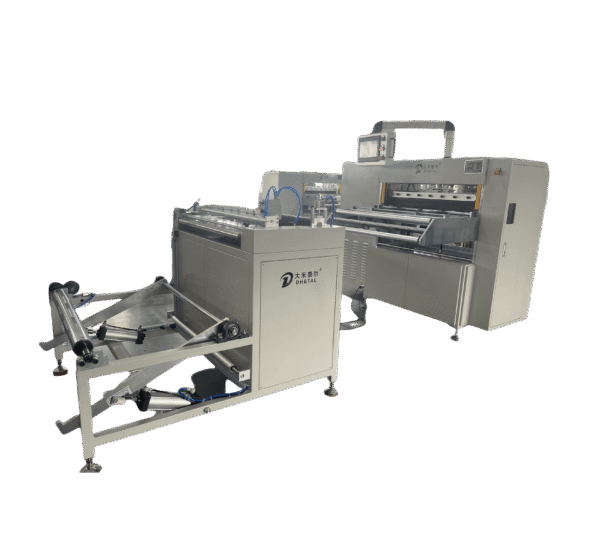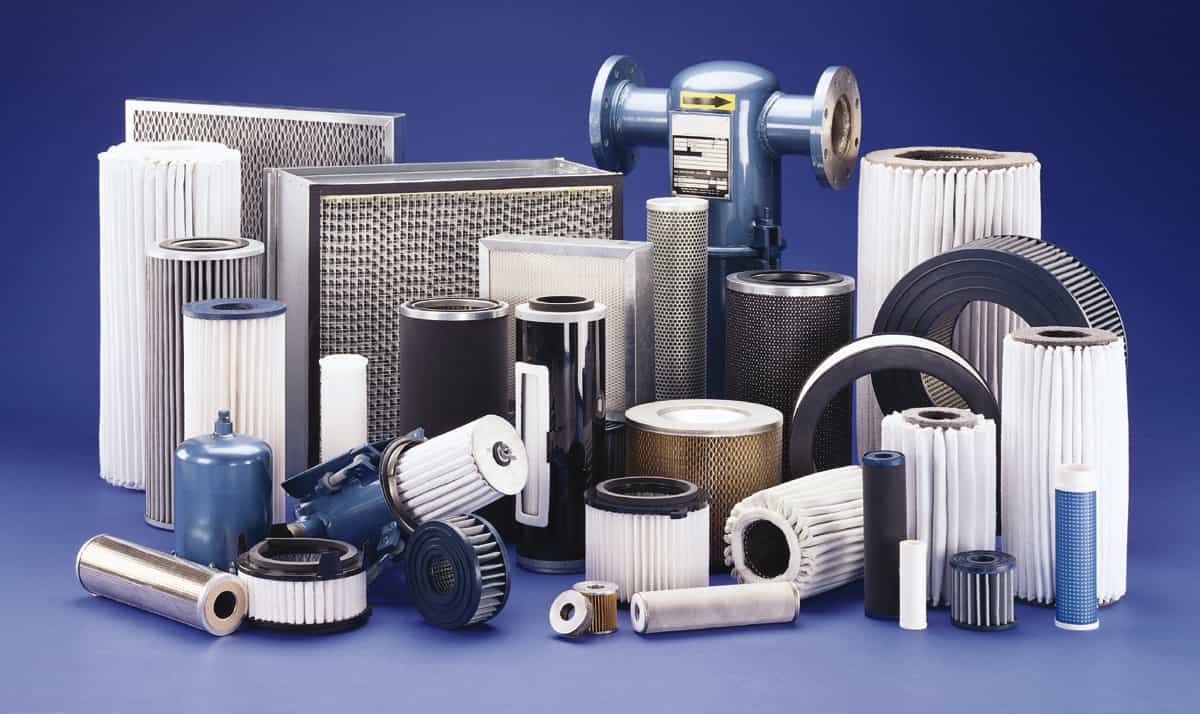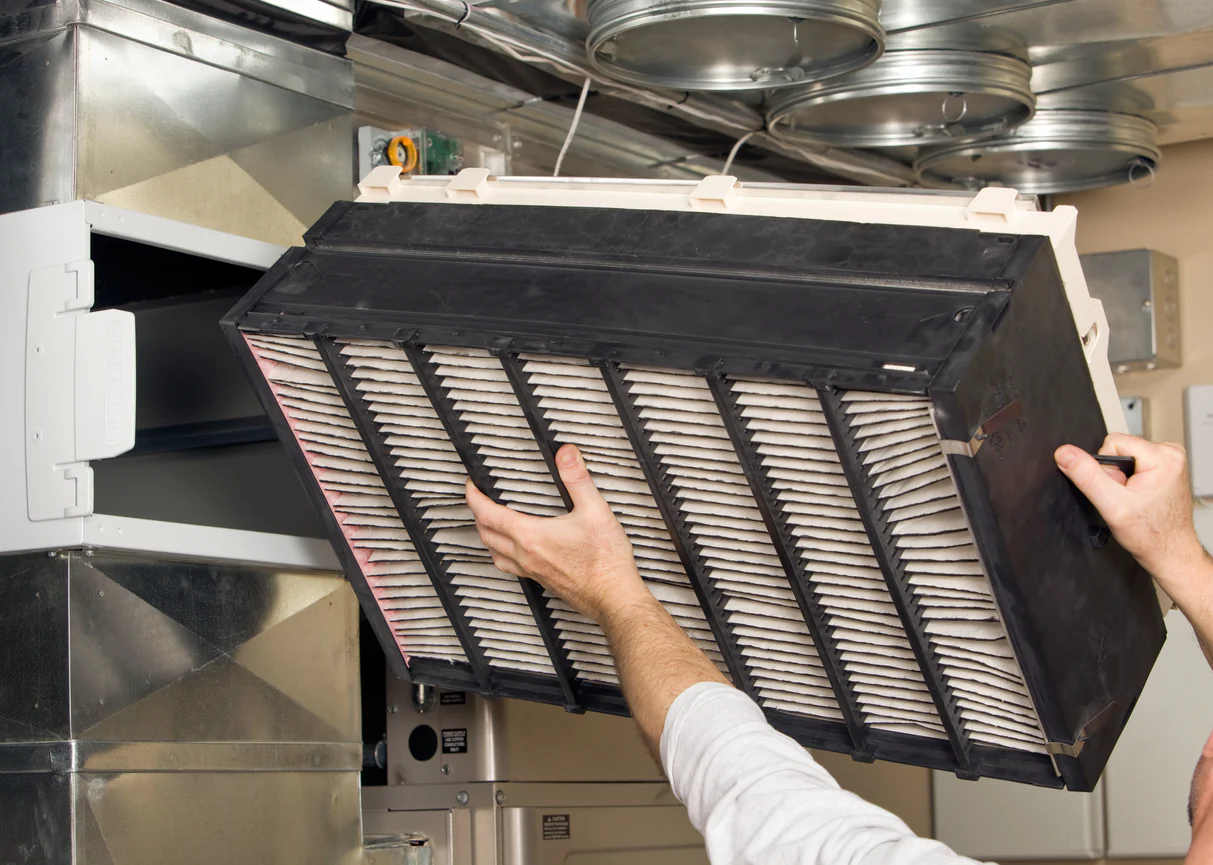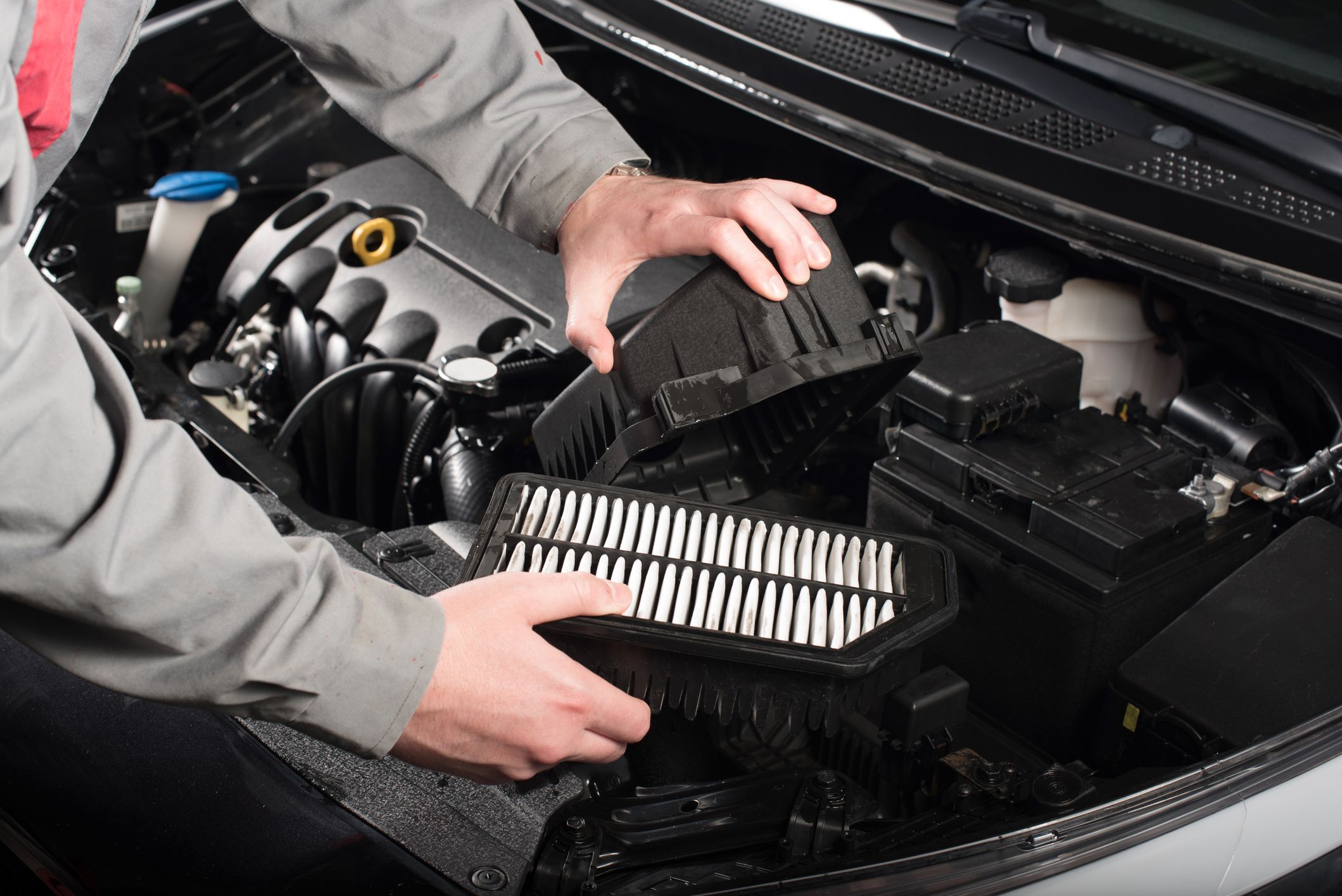
Folding Equipments forms the foundation of efficient carton folding by delivering precise, accurate folds. High-quality Folding Equipment directly influences critical factors such as airflow balance, pressure drop, and dust buildup in products like air filters and packaging cartons. This precision depends not only on the machinery itself but also on the accuracy of the material’s forming process. Advanced Folding Equipment ensures consistent folding patterns, reducing defects and enhancing overall product performance. By minimizing waste and boosting product reliability, Folding Equipment paves the way for increased production throughput without sacrificing quality.
Folding Equipment: Speed Advantages Driving Production Efficiency
One of the most obvious benefits of modernity is speed. Manual folding of individual cartons or filter elements can take several minutes, while automated machines can process hundreds per hour. Industries such as automotive and HVAC demand this high throughput due to the frequent replacement cycles of cabin air filters, oil filters, and HVAC filter cartridges. Faster production cycles allow manufacturers to meet seasonal demand spikes, respond to urgent orders promptly, and shorten delivery times. The right folding equipment bridges the gap between large-scale production and consistent product quality.
Folding Equipment: Automation as a Cost-Saving Strategy
Rising labor costs and challenges in retaining skilled operators make automation increasingly vital. By automating carton-folding processes, manufacturers reduce their dependence on manual labor and lower per-unit costs. Automated Folding Technology minimizes errors, significantly cutting down material waste caused by misfolds or uneven folds that render products unusable. Over time, especially in large-volume production, these savings accumulate. Automotive suppliers enjoy stable and predictable production costs, while HVAC manufacturers can price competitively. Automation not only reduces direct labor costs but also eliminates hidden costs associated with quality issues and downtime.
Customization for Diverse Carton Materials
Carton folding involves a wide range of substrates, each demanding specialized folding methods to achieve optimal results. Sophisticated folding machinery comes equipped with adjustable controls that allow operators to precisely modify parameters such as folding pressure, speed, and angle to suit different carton thicknesses, surface finishes, and textures. This high level of versatility ensures that manufacturers can maintain consistent fold quality across diverse materials, reducing the risk of defects like cracks or uneven creases. Furthermore, tailored folding systems often include programmable settings that store optimal configurations for various carton types, enabling quick changeovers and minimizing downtime during production shifts. By enhancing adaptability, these advanced folding solutions expand the variety of carton styles and designs that manufacturers can efficiently process. This flexibility is especially valuable in today’s dynamic markets, where customer demands and material specifications frequently change. Ultimately, such customizable folding technology empowers manufacturers to maintain high productivity, uphold stringent quality standards, and respond rapidly to evolving industry trends.
Integration with Production Lines for Seamless Workflow
Modern Folding Equipment integrates smoothly with upstream processes, such as printing, and downstream steps, such as gluing and packing, creating a streamlined production line. This automation reduces manual handling, speeds up workflow, and minimizes errors. By folding cartons within a continuous, synchronized system, manufacturers boost throughput while ensuring product quality. Such integration supports just-in-time manufacturing, helping businesses quickly adjust to changing order volumes and reduce inventory costs. Overall, connected folding machinery improves efficiency, flexibility, and product consistency across the entire packaging process.
Maintenance and Reliability for Uninterrupted Production
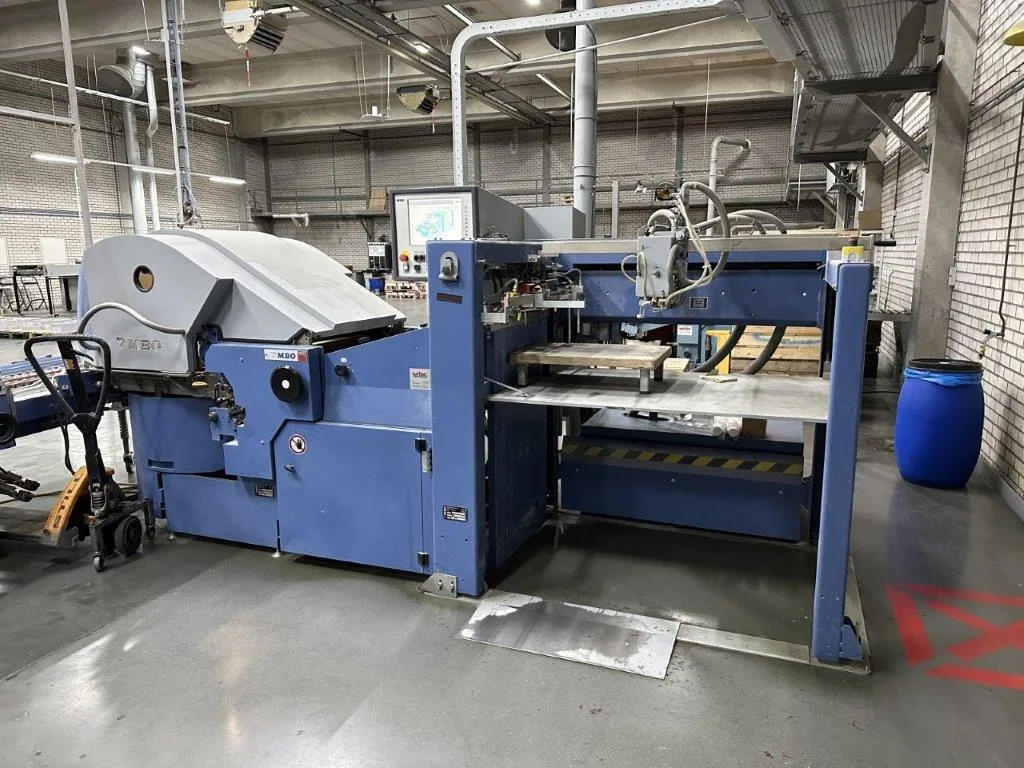
Consistent high throughput relies heavily on the reliability and durability of folding equipment. Robust is engineered with high-quality, wear-resistant components that can endure continuous operation in demanding industrial environments. These machines are designed to minimize the risk of mechanical failure, ensuring long-term stability and performance. Implementing comprehensive preventive maintenance programs is crucial to detecting potential issues before they cause costly breakdowns. Scheduled inspections, timely replacement of worn parts, lubrication, and calibration keep the folding apparatus running smoothly and efficiently. Additionally, modern folding systems often include diagnostic tools and real-time monitoring features that alert operators to anomalies, allowing for rapid intervention and reducing unplanned downtime. By maintaining equipment reliability, manufacturers not only preserve folding accuracy and production speed throughout extended runs but also safeguard their ability to meet tight delivery schedules, reduce operational costs, and uphold high customer satisfaction standards. Ultimately, investing in dependable folding equipment and proactive maintenance translates into improved productivity and a stronger competitive position in the market.
Future Trends and Technological Innovations
The folding equipment industry continues to evolve with technological advances such as AI-driven folding optimization, real-time monitoring, and predictive maintenance. These innovations further improve throughput by reducing errors and downtime. Smart folding systems can adapt dynamically to material variations and product specifications, offering manufacturers unparalleled flexibility and efficiency. Staying ahead with cutting-edge Folding Equipment technology helps companies maintain competitive advantages in fast-paced markets.